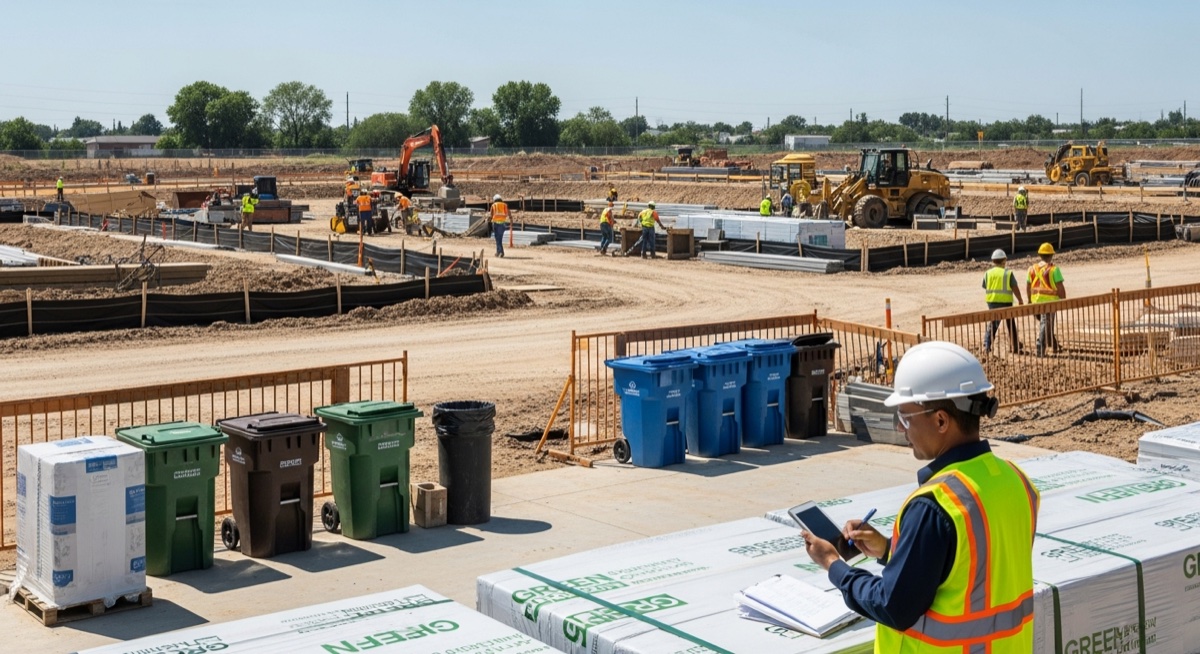
Navigating the New EPA Environmental Compliance Rules for Construction
The construction industry operates under a constantly evolving regulatory landscape. For 2026, the Environmental Protection Agency (EPA) is rolling out significant compliance updates that will reshape how projects are planned, executed, and procured. These aren't minor adjustments; they represent a fundamental shift requiring proactive strategies to avoid substantial penalties and project delays. General contractors, specialty subs, estimators, and project managers must understand these changes now to integrate them into their operational frameworks.
Key Regulatory Shifts Effective 2026
The upcoming EPA mandates focus on tightening controls across several critical areas, primarily targeting stormwater discharge, air quality, and hazardous waste management. We're seeing a move towards more stringent monitoring, higher accountability, and significantly increased financial penalties for non-compliance.
1. Revised Stormwater Management & Discharge
The new rules introduce tighter limits on Total Suspended Solids (TSS) and turbidity in stormwater runoff, alongside expanded requirements for post-construction stormwater controls. Projects will require more frequent monitoring and more robust Erosion and Sediment Control (ESC) plans. For instance, the threshold for a reportable TSS exceedance may drop from 100 mg/L to 50 mg/L, with a corresponding increase in fines. Previously, a single exceedance might incur a $10,000 fine; under the new regime, expect that to escalate to $50,000 or more per incident, coupled with mandatory remediation.
2. Enhanced Air Quality & Emissions Standards
Expect a significant push towards cleaner air, particularly concerning fugitive dust and emissions from heavy equipment. The EPA is expected to mandate stricter dust suppression protocols and potentially accelerate the adoption of Tier 4 Final engines for all non-road diesel equipment over 50 HP on projects exceeding a certain size or duration. Non-compliance could lead to project shutdowns and fines reaching $25,000 per day until rectified. This impacts equipment sourcing, rental agreements, and operational planning.
3. Expanded Hazardous Waste & Materials Definitions
Certain demolition debris and contaminated soils, previously classified as non-hazardous, may fall under stricter hazardous waste regulations. This implies more rigorous testing, specific manifesting, and specialized disposal procedures. For example, demolition of structures built before 1980 containing lead paint or asbestos could see disposal costs jump from $150/ton to $750/ton, requiring certified hazardous waste transporters and disposal sites. This necessitates detailed material assessments during pre-construction and revised waste management plans.
Ignoring New Rules is Costly
A mid-sized commercial project recently faced a $120,000 penalty due to a single stormwater discharge violation under a pilot program mirroring the 2026 changes. The project experienced a two-week stop-work order while implementing enhanced ESC measures, costing an additional $40,000 in labor and equipment downtime. Proactive planning is not optional.
Impact on Project Procurement and Contracts
These regulatory shifts directly translate into higher costs, increased administrative burden, and amplified contractual risk. Procurement teams must adjust their strategies to account for these new realities.
Vendor Selection & Bid Leveling
The need for specialized environmental consultants, certified waste haulers, and equipment meeting new emissions standards will increase. Sourcing these vendors requires careful evaluation. Trueleveler's Bid Leveling engine allows you to compare up to 10 vendor quotes side-by-side, ensuring you're not just getting the lowest price, but the best value from compliant and qualified partners. For example, comparing quotes for a new dust suppression system from three different vendors, factoring in installation, maintenance, and compliance guarantees, becomes a streamlined process.
Contractual Obligations & Risk Mitigation
Contracts with subcontractors and suppliers will need to incorporate specific clauses addressing environmental compliance, indemnification for violations, and proof of certifications. Overlooking these details can leave your firm exposed to significant liability. Consider a clause like this:
Trueleveler's Contract Review engine uses AI to detect critical risk clauses like these, ensuring that environmental compliance responsibilities and liabilities are clearly defined and appropriately allocated, protecting your firm from unforeseen financial burdens.
Uncover Hidden Contract Risks
Don't let new environmental regulations expose your projects to unnecessary risk. Trueleveler's Contract Review engine identifies critical compliance clauses and liabilities, saving you time and protecting your bottom line.
Operational Adjustments and Documentation
Beyond procurement, project management and site operations will require significant adjustments. Comprehensive documentation of compliance activities—from daily stormwater logs to waste manifests and equipment maintenance records—will be paramount.
Proactive Steps for 2026 Compliance
1. **Audit Current Practices:** Identify gaps in your existing ESC, waste management, and emissions control protocols against the anticipated 2026 standards.
2. **Train Personnel:** Ensure all project managers, superintendents, and relevant site personnel are trained on the new regulations and documentation requirements.
3. **Update RFQs:** Integrate specific compliance requirements into your RFQs for subcontractors and suppliers, leveraging Trueleveler's RFQ Generator to build structured requests from your scope of work.
4. **Review Contracts:** Use Trueleveler's Contract Review to identify and adjust environmental compliance clauses in all new agreements.
Managing Compliance Documentation
The volume of documentation related to environmental compliance will increase. This includes daily inspection logs, equipment maintenance records, waste disposal manifests, and laboratory analysis reports for soil and water. Ensuring that invoices from environmental consultants, testing labs, and waste haulers align perfectly with purchase orders and service agreements is crucial for cost control and audit readiness. Trueleveler's Document Compare engine can quickly detect discrepancies between purchase orders and invoices, flagging potential overcharges or non-compliant services related to environmental efforts.
Understanding the full scope of services and potential variable costs is vital. Furthermore, Trueleveler's PM Contract Summary can extract key dates, obligations, and reporting deadlines related to environmental compliance from master service agreements, helping project managers stay on schedule and avoid missed deadlines.
The bottom line
The EPA's 2026 environmental compliance rules are not a distant threat but an imminent reality requiring immediate action. The financial and reputational risks of non-compliance are too significant to ignore. By proactively integrating these new requirements into your procurement strategies, contract negotiations, and operational plans, you can transform a potential liability into a competitive advantage. Leverage technology like Trueleveler to streamline your processes, mitigate risk, and ensure your projects remain compliant, profitable, and on schedule.